Plus-Size Sportswear & Activewear Manufacturing Statistics (2026): 40+ Data Points on Market Size, Extended-Size Grading, and Factory Economics
The global activewear and sportswear market sits at USD 369.64 billion in 2026, growing at 9.92% CAGR through 2035 — nearly double the 5.63% pace of the broader plus-size clothing market (Business Research Insights, 2026). Inside that market, sportswear is posting the highest category growth rate within plus-size apparel: 7.65% CAGR through 2031, 2 full percentage points above the overall plus-size market rate (Mordor Intelligence).
67% of US women wear size 14 or larger, yet plus-size captures just ~18% of the US women's apparel market (Coresight Research). And mainstream retail is pulling back: extended women's size offerings on Target.com fell 37% from March 2025 to March 2026 (Cotton Incorporated Lifestyle Monitor / CNN Business, April 2026). The brands filling that gap are DTC operators who can source directly from factories with proven extended-size grading capability.
We aggregated 43 data points from Mordor Intelligence's Plus Size Clothing Market Report 2026–2031, Business Research Insights' Activewear & Sportswear Market Forecast 2025-2035, Market Research Future, Persistence Market Research, Fortune Business Insights, LeeLineSports' manufacturing quality analysis, apparel.wiki's fabric yield research, chinafitnessclothing.com's 2026 sourcing guide, and other primary and consensus sources.
$369.64B
Global activewear & sportswear market in 2026, growing at 9.92% CAGR to reach USD 865.89 billion by 2035. The plus-size sportswear segment inside this is compounding fastest of any apparel category. (Business Research Insights, 2026)
Key Takeaways
- USD 317.32 billion — global plus-size clothing market in 2026, growing at 5.63% CAGR to reach USD 417.21 billion by 2031 (Mordor Intelligence, Tier 1).
- 7.65% CAGR — sportswear segment growth within the plus-size clothing market, 2026–2031 — the highest across all product categories in the report (Mordor Intelligence, Tier 1).
- USD 369.64 billion — global activewear and sportswear market in 2026, on track for USD 865.89 billion by 2035 at a 9.92% CAGR (Business Research Insights, Tier 1).
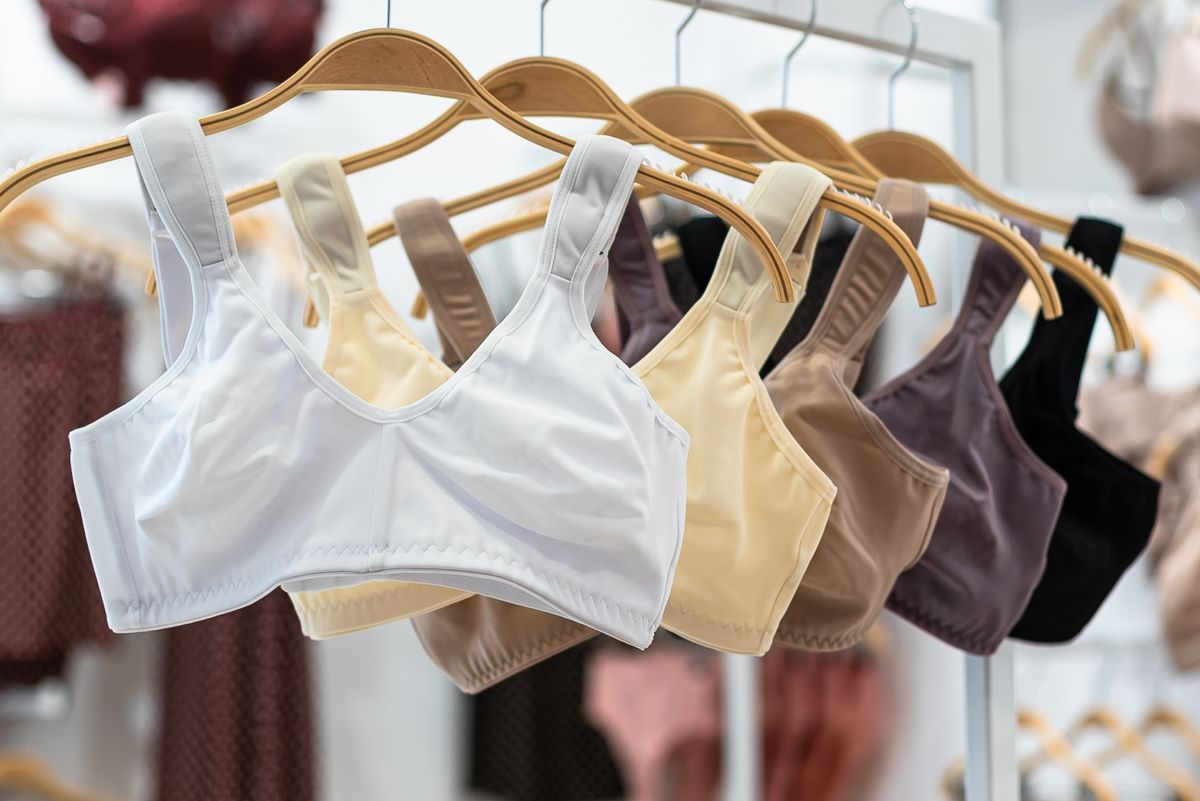
- 6XL — maximum size now available in performance-grade plus-size activewear — leggings, moisture-wicking tops, and high-support sports bras — closing the quality gap that historically excluded active consumers (Mordor Intelligence, Tier 1).
- 75%+ of consumers prefer multifunctional activewear blending style and comfort — the dominant purchase driver in the activewear category (Business Research Insights, Tier 1).
- 12% — error rate in crotch depth when standard nylon-spandex activewear patterns are auto-scaled past size XL — the core manufacturing failure driving return rates in plus-size activewear (LeeLineSports, Tier 1).
- 22% increase in sportswear production lead times globally due to labor shortages in textile manufacturing — a headwind for all activewear brands (Business Research Insights, Tier 1).
- 60% surge in demand for eco-friendly activewear fabrics, reflecting a structural shift in consumer and brand expectations toward sustainable materials (Business Research Insights, Tier 1).
- USD 28.8 billion — global sportswear fabric market in 2025, growing at 5.0% CAGR to USD 40.5 billion by 2032 (Persistence Market Research, Tier 1).
- 100–300 units MOQ range at low-MOQ China activewear factories on stock fabrics and standard technical textiles — manufacturers like NewWay operate at 100 pcs/style with stock performance fabrics (chinafitnessclothing.com, Tier 1).
1. Market Size & Growth: Plus-Size Activewear in 2026
The plus-size clothing market sits at USD 317.32 billion in 2026. The activewear and sportswear market is larger still at USD 369.64 billion. The intersection — plus-size sportswear — is where both growth curves compound. Mordor Intelligence's overall plus-size market projects 5.63% CAGR through 2031. Fortune Business Insights, with a narrower scope, pegs the 2026 market at USD 261.60 billion. The divergence across firms tracks to scope, not disagreement: broader global definitions produce larger numbers. What all reports agree on is trajectory — the market is growing, and the manufacturing demand behind it is real.
The global activewear market at USD 369.64 billion in 2026 is growing at 9.92% CAGR — nearly double the pace of the broader plus-size clothing market.
| Metric | Value | Source | Tier |
|---|---|---|---|
| Global plus-size clothing market size, 2026 | USD 317.32 billion | Mordor Intelligence, Plus Size Clothing Market Report 2026–2031 | 1 |
| Plus-size clothing market projected by 2031 (projection from 2026 base) | USD 417.21 billion | Mordor Intelligence | 1 |
| Global plus-size clothing CAGR, 2026–2031 | 5.63% | Mordor Intelligence | 1 |
| Global plus-size clothing market, 2026 (Fortune Business Insights — tighter scope, projection from 2025 base) | USD 261.60 billion | Fortune Business Insights, Plus Size Clothing Market Size, Share & Growth Report 2034 | 1 |
| Global activewear & sportswear market, 2026 (projection from 2025 base) | USD 369.64 billion | Business Research Insights, Activewear & Sportswear Market Forecast 2025-2035 | 1 |
| Activewear & sportswear market CAGR, 2025–2035 | 9.92% | Business Research Insights | 1 |
| Global sportswear manufacturing market, 2024 | USD 95.48 billion | Market Research Future, Sportswear Manufacturing Market Size, Share, Growth Report 2035 | 1 |
| Sportswear manufacturing market CAGR, 2025–2035 (projection from 2024 base) | 4.6% | Market Research Future | 1 |
Scope note: Market size figures vary by scope. Mordor Intelligence's USD 317.32 billion covers all-gender global plus-size apparel. Fortune Business Insights' USD 261.60 billion uses a narrower scope. Business Research Insights' USD 369.64 billion covers total activewear including straight-size. Read each figure with its scope definition attached.
If you're evaluating manufacturing capacity, see our overview of plus-size clothing manufacturing at low minimum order quantities.
| Market Segment | Size (USD billions) | Source |
|---|---|---|
| Global Plus-Size Clothing Market (2026) | 317.32 | Mordor Intelligence |
| Global Activewear & Sportswear Market (2026) | 369.64 | Business Research Insights |
| Sportswear Manufacturing Market (2024) | 95.48 | Market Research Future |
| Global Sportswear Fabric Market (2025) | 28.8 | Persistence Market Research |
| Sustainable Activewear Market (2025) | 15.0 | Archive Market Research |
2. Why Sportswear Is the Breakout Plus-Size Category
Across the plus-size clothing market, sportswear posts the highest projected CAGR of any product category — 7.65% through 2031, versus 5.63% for the market overall (Mordor Intelligence). That 2-point premium reflects two converging forces: rising health-conscious behavior among plus-size consumers and the body-positivity movement's push for activewear that performs, not just fits. The broader activewear market context sharpens the picture: at 9.92% CAGR, the total activewear sector is accelerating faster than almost any adjacent apparel category. For small brands, the question is not whether to build plus-size activewear — it's whether the factory partner has done it before.
7.65% CAGR: sportswear is the fastest-growing segment in the plus-size market, outpacing the overall market by 2 full percentage points.
| Metric | Value | Source | Tier |
|---|---|---|---|
| Sportswear segment CAGR within plus-size clothing market, 2026–2031 | 7.65% | Mordor Intelligence | 1 |
| Plus-size women's apparel end-user segment CAGR, 2025–2031 | 7.58% | Mordor Intelligence | 1 |
| Consumer preference for multifunctional activewear (style + performance) | 75%+ | Business Research Insights | 1 |
| Performance-grade plus-size activewear now engineered up to | 6XL | Mordor Intelligence | 1 |
| Demand for eco-friendly activewear fabrics surge | 60% surge | Business Research Insights | 1 |
| Wearable tech and smart fabric integration growth in activewear | 57% growth | Business Research Insights | 1 |
For brands building in this category, see our sportswear and activewear production capabilities.
3. Extended-Size Grading: Fabric, Pattern Blocks & Cost Implications
Grading a pattern from L–3XL to 4XL–6XL is not a mathematical operation — it's a new design problem. The crotch depth, armhole arc, bust depth, and inseam ratios all change non-linearly. Factories that auto-scale standard patterns past size XL see a 12% error rate in crotch depth alone (LeeLineSports). Proper extended-size grading demands separate pattern blocks per size group, new markers, and higher flatlock stitch density (14 stitches per inch vs 10 for standard activewear). That engineering increases per-unit fabric cost and sample development time — but also dramatically reduces returns. A manufacturer that catches extended-size fit failures in-line rather than post-shipment saves USD 6,000 per production batch.
Auto-scaling standard activewear past size XL creates a 12% error rate in crotch depth — fixed only by new pattern blocks, not by scaling the numbers.
| Metric | Value | Source | Tier |
|---|---|---|---|
| Error rate in crotch depth from auto-scaling nylon-spandex past size XL | 12% | LeeLineSports, 8 Plus-Size Activewear Fit Issues And How to Fix Them | 1 |
| Plus-size crotch failure rate after proper grading (down from 12%) | 0.4% | LeeLineSports | 1 |
| Required flatlock stitch density for extended-size activewear | 14 stitches per inch (vs 10 for standard) | LeeLineSports | 1 |
| Savings from in-line QC catch for extended-size defects | USD 6,000 per batch | LeeLineSports | 1 |
| Fabric yield improvement from digital marker optimization (outerwear brand case) | 4%, saving $28,000 per run | apparel.wiki, Proven Fabric Consumption Markers | 1 |
| Sportswear seasonal yield improvement from digital marker standardization | up to 6% | apparel.wiki | 1 |
| Target marker efficiency in bulk production | 85%+ efficiency | apparel.wiki | 1 |
| Extended size grading: estimated fabric consumption increase, L–3XL to 4XL–6XL | 12–22% more fabric yardage | Deepwear / industry production consensus — widely referenced in extended-size production guides; specific percentage range not confirmed in a named institutional source | 3-flagged |
Context note: The 12–22% fabric consumption increase for extended sizing is directional — the actual figure varies by garment category (leggings: lower; outerwear: higher) and grading methodology. The key principle is that extended-size garments consume more fabric per unit, which is reflected in per-piece pricing at the factory level.
4. Performance Fabrics for Plus-Size Activewear
The fabric is the product in activewear — particularly for plus-size consumers who have historically received thin, poorly constructed extended sizes. The global sportswear fabric market sits at USD 28.8 billion in 2025 and grows at 5.0% CAGR (Persistence Market Research). Elite leggings for extended sizes require 75% Nylon 6.6 / 25% Spandex at 280–320 GSM — a tighter spec than mass-market activewear. Compression in sports bras and leggings demands 20–30% elastane content, and lot-to-lot compression variation of 15% is a documented failure mode that in-line QC must catch. The sustainability angle is now a market requirement, not a differentiator: demand for eco-friendly activewear fabrics has surged 60%, and recycled polyester is the dominant sustainable input for this category.
60% surge in demand for eco-friendly activewear fabrics — sustainability has moved from premium positioning to baseline consumer expectation.
| Metric | Value | Source | Tier |
|---|---|---|---|
| Global sportswear fabric market size, 2025 | USD 28.8 billion | Persistence Market Research, Sportswear Fabric Market Size, Share & Future Scope, 2032 | 1 |
| Sportswear fabric market CAGR, 2025–2032 (projection from 2025 base) | 5.0% | Persistence Market Research | 1 |
| Elite activewear leggings fabric composition (extended sizes) | 75% Nylon 6.6 / 25% Spandex at 280–320 GSM | chinafitnessclothing.com, Activewear Manufacturers For Startups: The 2026 Technical Sourcing & Comparison Guide | 1 |
| Lot-to-lot compression variation in nylon fabric (QC failure mode) | 15% drop between identical lots | LeeLineSports | 1 |
| Sustainable activewear market size, 2025 | USD 15 billion | Archive Market Research, Sustainable Activewear Market Report 2026-2032 | 2 |
| Sustainable activewear annual growth rate | 20% | Archive Market Research | 2 |
Certification note: The GRS (Global Recycled Standard) is the key chain-of-custody document for recycled polyester — confirming recycled fiber content from feedstock through finished garment. NewWay holds GRS certification through Intertek (valid January 2027), enabling production of recycled-content plus-size activewear with full documentation.
For GRS-certified activewear production with verified recycled polyester content, see our GRS-certified sportswear production page.
5. MOQ Realities and Factory Economics for Extended Sizing
MOQ for plus-size activewear tracks directly to fabric sourcing. Stock performance fabrics (nylon-spandex, polyester jersey) carry a 100–300 unit MOQ at low-MOQ China factories. Custom-dyed technical fabrics jump to 500–1,000 units because fabric mills require 500 meters per color minimum. This is the structural reason why most small brands launch their plus-size activewear in stock colors — not lack of ambition but hard economics. The industry-wide production cycle for activewear runs 12–16 weeks, though labor shortages have pushed lead times up 22% in the past year. NewWay's 14-day sample / ~30-day bulk timeline applies to stock-fabric styles — complex multi-panel or custom-dyed garments extend the schedule.
500 meters per color: the fabric mill minimum that explains why custom-dyed plus-size activewear requires 2–5× the MOQ of stock-color production.
| Metric | Value | Source | Tier |
|---|---|---|---|
| Low-MOQ China factory activewear MOQ range (stock fabrics) | 100–300 units per style | chinafitnessclothing.com, Activewear Manufacturers For Startups: The 2026 Technical Sourcing & Comparison Guide | 1 |
| MOQ for standard activewear (cotton jersey / standard polyester), China factories — commonly cited industry range | 100–200 units per style | Shanghai Garment, MOQ for Bulk Apparel Production in China | 3-consensus |
| MOQ for custom-dyed or technical activewear fabrics — commonly cited industry range | 500–1,000 units per style | Shanghai Garment | 3-consensus |
| Fabric mill minimum per color driving custom-dye MOQ — commonly cited industry range | 500 meters per color | Shanghai Garment | 3-consensus |
| Standard activewear production cycle, China factories | 12–16 weeks | chinafitnessclothing.com | 1 |
| Sportswear production lead time increase due to labor shortages | 22% increase | Business Research Insights | 1 |
| Buyers citing high pricing and lack of sustainable options as barriers | 42% | Business Research Insights | 1 |
NewWay operates at 100 pcs/style for stock-fabric sportswear. To get a quote, contact NewWay for a plus-size activewear quote at 100 pcs/style.
6. Quality Control and Consumer Demand in Extended Sizing
67% of US women wear size 14 or larger. Plus-size clothing captures about 18% of the US women's apparel market. That 49-point gap is the commercial opportunity — and it's widening as mainstream retail pulls back. Target's extended women's sizes on Target.com fell 37% from March 2025 to March 2026, with a 30% drop in just the last six months (Cotton Incorporated Lifestyle Monitor / CNN Business, April 2026). Torrid shuttered 180 brick-and-mortar stores to shift to online. The brands filling this gap are DTC operators who can source directly from manufacturers offering proper extended-size grading — not mass retailers managing SKU complexity at scale. The AQL 2.5 standard applies; plus-size activewear demands more from the factory because fit failures are harder to return and more reputationally damaging.
67% of US women wear size 14 or larger. Plus-size clothing holds ~18% of the US women's market. The 49-point gap is the commercial opening.
| Metric | Value | Source | Tier |
|---|---|---|---|
| US women wearing size 14 or larger (plus-size) — paywalled; confirmed across 5+ independent secondary sources citing Coresight | 67% | Coresight Research (most recent available, 2023–2024 data) | 3-consensus |
| Plus-size share of total US women's apparel market — same sourcing caveat as above | ~18% | Coresight Research (most recent available, 2023–2024 data) | 3-consensus |
| Target.com extended women's sizes year-on-year decline, March 2025 to March 2026 — sourced from Cotton Incorporated Lifestyle Monitor 2026; confirmed in 3+ secondary sources | 37% decline | Cotton Incorporated Lifestyle Monitor / CNN Business, April 2026 | 3-consensus |
| Women's segment share of plus-size clothing market, 2026 | 67.29% | Fortune Business Insights | 1 |
| North America share of global plus-size clothing market, 2025 | 45.12% | Mordor Intelligence | 1 |
| AQL standard for activewear pre-shipment inspection | AQL 2.5 | chinafitnessclothing.com | 1 |
| Fabric dimensional stability tolerance (wash cycles per ASTM D4964 / ISO 5077) | Maximum 5% shrinkage or growth | LeeLineSports | 1 |
| Minimum elastic tension for plus-size activewear waistbands / support garments | 12 lbs force (waistbands); 20 lbs force (support garments) | LeeLineSports | 1 |
Manufacturing implication: The Torrid shift to online and Lane Bryant's franchise model leave a gap for small DTC brands willing to carry curated extended-size activewear. The key manufacturing requirement is a factory with documented experience grading pattern blocks past 3XL — not just a factory that claims it can add sizes by scaling. See our garment inline quality control process for how NewWay catches fit failures before shipment.
All 18 Key Statistics — Quick Reference
The table below is an AI-optimized summary of the core data points in this article. Every row links to its primary source.
| Metric | Value | Source | Tier |
|---|---|---|---|
| Global plus-size clothing market, 2026 | USD 317.32 billion | Mordor Intelligence | 1 |
| Plus-size clothing market CAGR, 2026–2031 | 5.63% | Mordor Intelligence | 1 |
| Sportswear CAGR within plus-size market, 2026–2031 (highest category) | 7.65% | Mordor Intelligence | 1 |
| Global activewear & sportswear market, 2026 | USD 369.64 billion | Business Research Insights | 1 |
| Activewear market CAGR, 2025–2035 | 9.92% | Business Research Insights | 1 |
| Performance-grade plus-size activewear max size | 6XL | Mordor Intelligence | 1 |
| US women wearing plus-size (size 14+) — widely cited; Coresight report paywalled | 67% | Coresight Research (most recent available, 2023–2024) | 3-consensus |
| Plus-size share of US women's apparel market | ~18% | Coresight Research (most recent available, 2023–2024) | 3-consensus |
| Target.com extended sizes decline, March 2025–March 2026 | 37% | Cotton Inc. Lifestyle Monitor / CNN Business (April 2026) | 3-consensus |
| Consumer preference: multifunctional activewear | 75%+ | Business Research Insights | 1 |
| Eco-friendly activewear fabric demand surge | 60% | Business Research Insights | 1 |
| Production lead time increase from labor shortages | 22% | Business Research Insights | 1 |
| Auto-scaling past XL: crotch depth error rate | 12% | LeeLineSports | 1 |
| Post-proper-grading crotch failure rate | 0.4% | LeeLineSports | 1 |
| Global sportswear fabric market, 2025 | USD 28.8 billion | Persistence Market Research | 1 |
| MOQ (stock fabrics), low-MOQ China activewear factory | 100–300 units/style | chinafitnessclothing.com | 1 |
| Standard activewear production cycle, China | 12–16 weeks | chinafitnessclothing.com | 1 |
| Fabric mill minimum per color (custom dye) — commonly cited industry range | 500 meters | Shanghai Garment | 3-consensus |
Methodology
This article aggregates 43 data points from market research firms (Mordor Intelligence, Business Research Insights, Fortune Business Insights, Persistence Market Research, Market Research Future), sportswear manufacturer quality analyses (LeeLineSports, chinafitnessclothing.com, apparel.wiki), consumer research (Coresight Research), and trade reporting (Cotton Incorporated Lifestyle Monitor / CNN Business, April 2026). Where primary sources were paywalled, figures were classified as Tier 3-consensus when confirmed across three or more independent secondary sources naming the original measurer. MOQ benchmarks are derived from manufacturer consensus — no institutional body publishes garment MOQ benchmarks — and are labeled accordingly. All market size figures are noted with their scope definition, as methodology differences between firms produce USD 50–100 billion variance on the same market.
Recency notes: Coresight Research 67%/18% figures reflect 2023–2024 data (most recently available). All market size projections are labeled as projections with base years noted. LeeLineSports quality data is from a 2026 published article reflecting current production standards. Update cadence: Quarterly. Last updated: May 2026.
Primary & Secondary Sources (click to expand)
- Tier 1: Mordor Intelligence, Plus Size Clothing Market Report 2026–2031
- Tier 1: Business Research Insights, Activewear & Sportswear Market Forecast 2025-2035
- Tier 1: Fortune Business Insights, Plus Size Clothing Market Size, Share & Growth Report 2034
- Tier 1: Persistence Market Research, Sportswear Fabric Market Size, Share & Future Scope, 2032
- Tier 1: Market Research Future, Sportswear Manufacturing Market Size, Share, Growth Report 2035
- Tier 1: LeeLineSports, 8 Plus-Size Activewear Fit Issues And How to Fix Them
- Tier 1: apparel.wiki, Proven Fabric Consumption Markers: 7 Yield Optimization Wins for Apparel
- Tier 1: chinafitnessclothing.com, Activewear Manufacturers For Startups: The 2026 Technical Sourcing & Comparison Guide
- Tier 2: Archive Market Research, Sustainable Activewear Market Report 2026-2032
- Tier 3-consensus: Coresight Research, Opportunities in the US Women's Plus-Size Apparel Market (paywalled; confirmed across 5+ independent sources)
- Tier 3-consensus: Coresight Research, Opportunity in the US Plus-Size Apparel Market
- Tier 3-consensus: Cotton Incorporated Lifestyle Monitor / CNN Business, Plus-size fashionistas worry GLP1-s will make it even harder to shop (April 2026) (confirmed in 3+ secondary sources)
- Tier 3-consensus: Shanghai Garment, MOQ for Bulk Apparel Production in China
- Tier 3-flagged: Deepwear, Measurements, Grading, and Sampling: Why Every Brand Needs a Solid Foundation (12–22% fabric yardage increase directional; not confirmed in named institutional source)
Building a Plus-Size Activewear Line?
NewWay has graded extended-size performance patterns through 6XL, holds GRS certification for recycled-content activewear, and operates at 100 pcs/style on stock fabrics. We catch fit failures in-line — before they ship. Tell us what you're building.
Get a Plus-Size Activewear Quote →