How to Negotiate MOQ with a China Clothing Factory: What Actually Works
MOQ — minimum order quantity — is one of the most common frustrations small fashion brands face when sourcing from China. A factory quotes 500 or 1,000 pieces per style. A small brand needs 100. The conversation stalls.
We want to explain this from the factory's perspective, because understanding why MOQ exists is the first step to negotiating it effectively. Most of the advice on this topic is written by sourcing consultants or brand owners. We are a factory that works with brands of all sizes, including startups placing their first orders. Here is the honest version of how MOQ works and what actually moves the number.
Why MOQ Exists: The Real Economics
MOQ is not arbitrary. It is the minimum order size at which a factory can produce your garment profitably. Several cost components are essentially fixed regardless of whether you order 100 or 1,000 pieces:
- Pattern making and grading: Creating and checking patterns for your styles costs the same whether you produce 100 or 1,000 units.
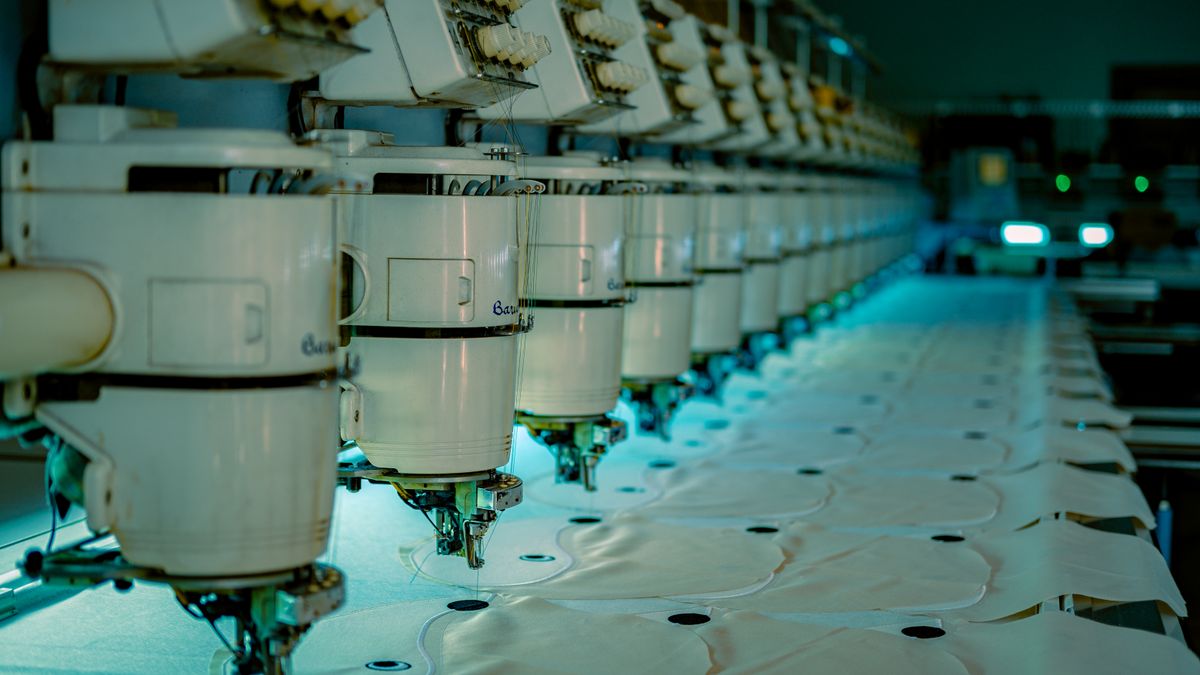
- Machine setup: Setting up industrial sewing machines, linking machines (for knitwear), or embroidery machines for a specific style takes time. That time is the same for 100 pieces as for 1,000.
- Fabric and yarn minimums: Suppliers set their own minimums. A fabric mill may have a minimum of 100 meters per color. A yarn spinner may have a minimum of 30kg per colorway. These minimums exist above the factory level — they are supply chain constraints, not factory greed.
- Sample cost amortization: A factory invests time and materials in sampling before bulk production begins. That investment is recovered across the production run. A smaller run means a higher per-unit sampling cost.
- Quality control overhead: The time to inspect 200 pieces versus 500 pieces is not proportionally different — inspectors need to review the same specifications regardless of batch size.
When a factory tells you their MOQ is 300 pieces, they are telling you the order size at which their fixed costs become manageable enough to produce at the agreed price. Ask them to go below that number without changing anything else, and you are asking them to absorb a loss.
The Levers That Actually Work
Successful MOQ negotiation involves offering something in return for the factory's flexibility. Here are the concessions that genuinely move the number:
What Does Not Work
Some tactics buyers try that generally do not move the MOQ:
- Threatening to go elsewhere: If you genuinely have an alternative, use it. But empty threats to a factory that has heard them before are not effective leverage.
- Citing what other factories claim: "Factory X offers 50-piece minimums" usually means Factory X is a trading company, not a manufacturer, or is producing at a quality level that does not match your specs.
- Asking for charity: "We're a small brand just starting out" is not a negotiating argument. Factories have bills to pay regardless of their buyers' growth stage.
- Negotiating price down and MOQ down simultaneously: Lower price and lower volume together is asking for two concessions at once. Focus on one.
MOQ by Product Category: Realistic Expectations
| Category | Typical MOQ Range | Why |
|---|---|---|
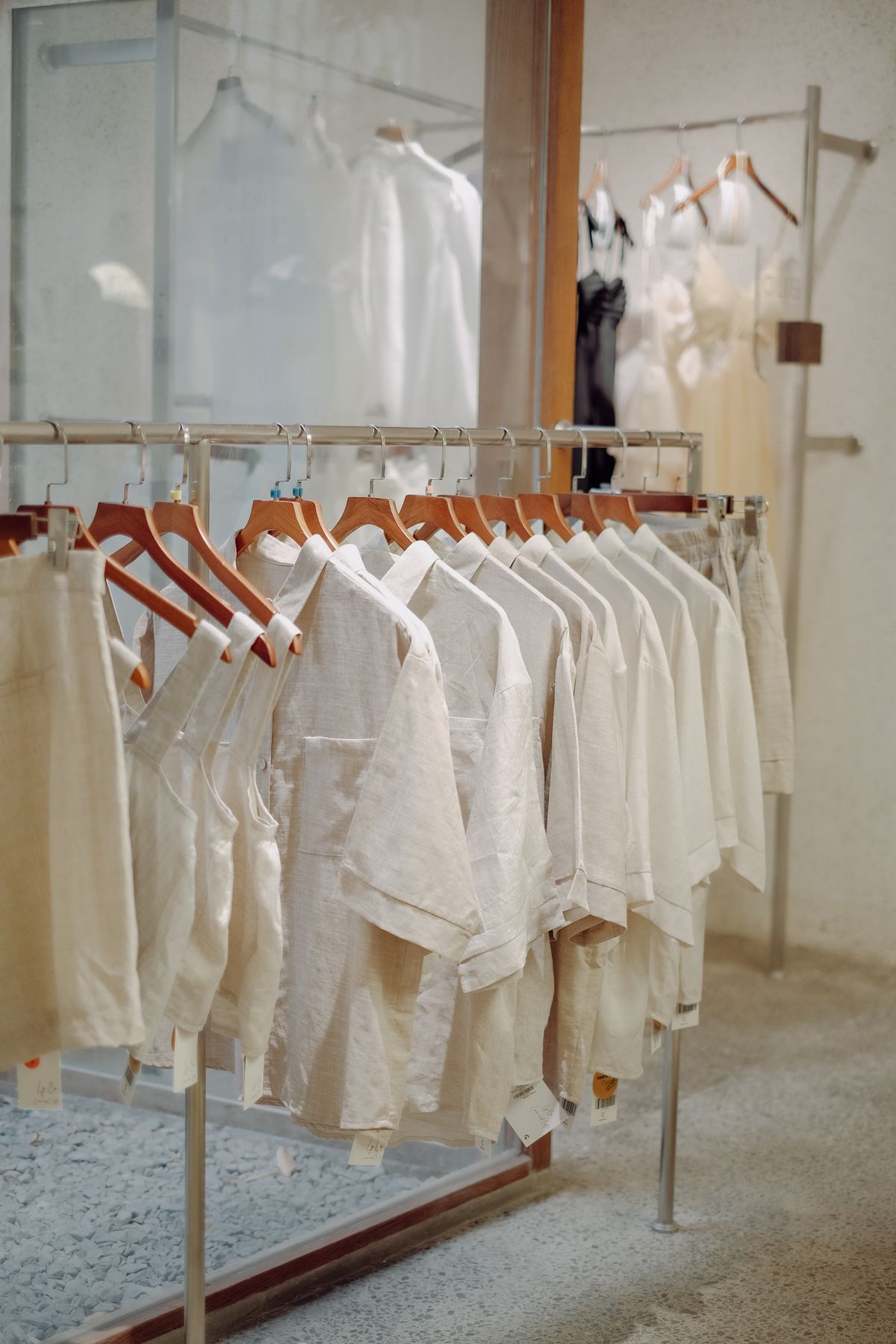
| Basic woven dresses/tops | 100–300 pcs per style | Fabric cuts efficiently in small batches; setup cost is lower |
| Printed woven garments | 200–500 pcs per color | Fabric printing has yard minimums per design/color |
| Cut-and-sew knitwear | 150–300 pcs per style | Yarn minimum per color is the binding constraint. See our knitwear sourcing guide for detail. |
| Fully fashioned knitwear | 200–400 pcs per style | Machine setup time per style is higher |
| Jacquard/intarsia knitwear | 300–600 pcs per style | Pattern programming and machine changeover adds fixed cost |
| Plus-size (any category) | Add 10–20% to above | Higher per-unit fabric/yarn consumption means fewer units per material minimum |
When "Low MOQ" Claims Should Make You Skeptical
Factories advertising 30-piece or 50-piece minimums for custom knitwear or complex garments are almost always one of three things:
- Trading companies acting as middlemen. They aggregate small orders from multiple buyers to meet actual factory minimums. This is not inherently bad, but you are paying a margin and losing direct communication with your manufacturer.
- Factories producing from existing patterns rather than your designs. They can do 50 pieces because they have done 5,000 of this exact style and the setup cost is zero. Your custom development will not receive this MOQ.
- Factories cutting corners on material quality to absorb the economics of tiny runs. The $12 sweater at 30 pieces is using different yarn than the $12 sweater at 300 pieces.
The most important question is not "what is your MOQ?" It is "what does my unit price look like at 150 pieces versus 300 pieces?" The conversation about price at different volumes tells you far more about a factory's real economics than a headline MOQ number.
A Practical First Order Strategy
For brands new to Chinese manufacturing, here is a realistic approach to a first order:
- Choose 2-3 styles maximum for your first production run. Focus your investment rather than spreading it thin across a large line.
- Select stock colorways for at least one colorway per style. This removes yarn/fabric minimums as a constraint.
- Budget for a 50% upfront deposit even if the factory quotes 30%. The goodwill it generates is worth more than the cash flow difference.
- Ask for tiered pricing at 150, 300, and 500 pieces. Understanding the price curve helps you make a decision that balances risk with unit economics.
- Be explicit about your reorder plan and timeline. Factories make long-term decisions, not just per-order decisions.
Tell Us What You Need
We work with brands at every stage — from first test orders to seasonal production. Send us your designs and target quantities, and we will give you an honest quote with tiered pricing so you can plan intelligently.
Request a Quote →