Sourcing & manufacturing, from the inside
No sourcing agents, no directories. Real answers from a factory that has been making clothes in Zhejiang for 30 years.
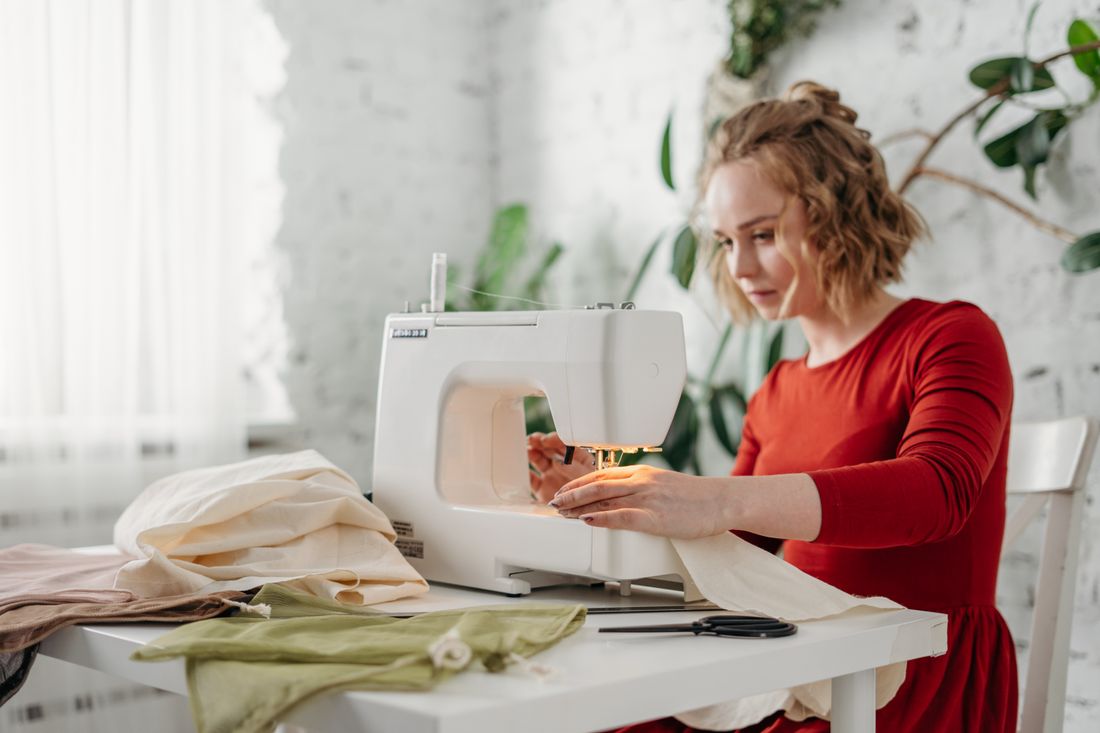
Clothing MOQ Benchmarks by Garment Type (2026)
41 verified data points: the 161% per-unit premium at 100 vs 1,000 pcs, MOQ by garment type, country floors, and the 3 levers that cut minimums 30–50%.
Read article
Knitwear Manufacturing in China Statistics (2026)
43 verified stats: 900M sweaters/year from one Guangdong town, MOQ economics from 300 pcs, fiber cost drivers.
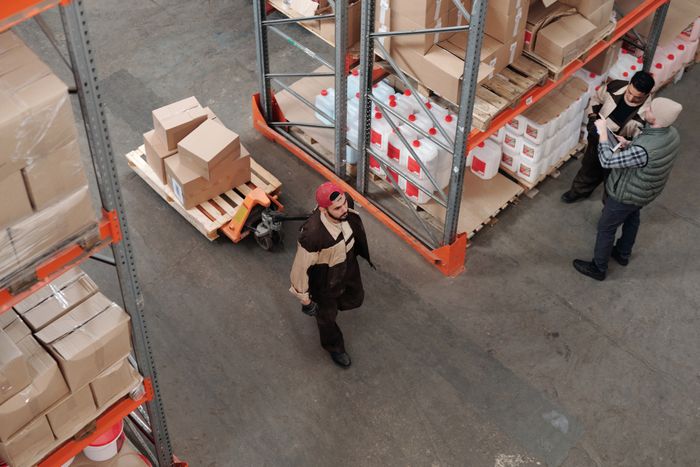
Alibaba vs Direct Factory: 47+ Statistics for Small Brands
Trading-company markups (10–30%), quality dispute rates, MOQ reality, and a 5-step supplier verification method.

What It Actually Costs to Manufacture Clothing in China
A line-by-line FOB price breakdown per piece — fabric, trims, labour, overhead, and margin laid bare.

Plus-Size Sportswear & Activewear Manufacturing (2026)
$369B activewear market at 9.92% CAGR, extended-size grading pitfalls, 100–300 unit MOQs on stock fabrics.
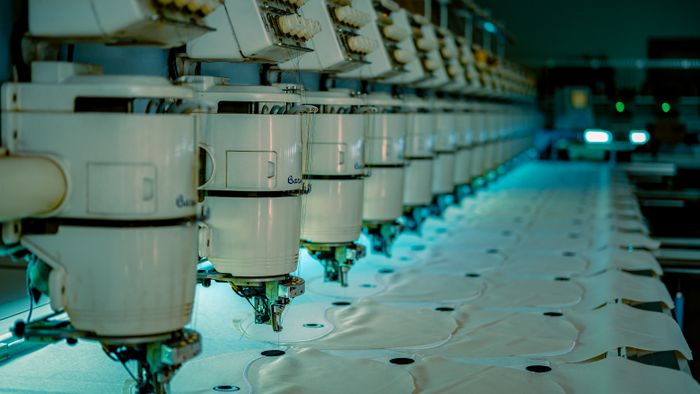
How to Negotiate MOQ with a China Clothing Factory
The real economics behind MOQ — and exactly which levers actually move the number without losing quality.
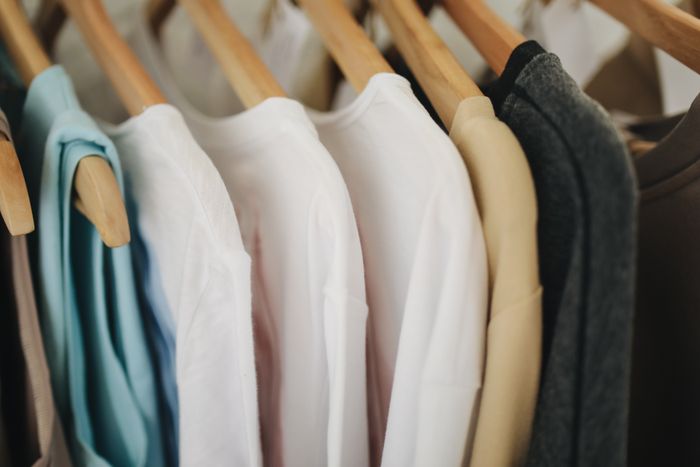
Garment Inline Quality Control: Inside the Process
How inline inspection catches defects mid-production instead of at the very end — and why it matters.
Have a project in mind?
Send us your designs and target quantities. We'll come back with an honest quote and tiered pricing so you can plan intelligently.
Request a Quote →